
About two dozen WaveRunners left Gordon Bay Marine at the north end of Lake Joseph on August 24, 2025, and came back a few hours later carrying playing cards. The cards came from a Yamaha tent at Port Sandfield, from Walker’s Point Marina with the pizza lunch, from a second Yamaha tent at Port Carling, and the last one back at Gordon Bay. The riders kept under 70 km/h on open water and to 9 km/h in the channels, and the best five-card hand at the end of it won $750 in Yamabucks. Entry was free for Yamaha riders, capped at the first hundred, with lunch and the lock fees covered.
Muskoka has been holding poker runs on the water for years. The Antique and Classic Boat Society’s Toronto chapter and CNIB Lake Joe ran a dock-to-dock run across Lakes Joseph, Rosseau and Muskoka in 2021, with a $50 entry that included a first hand and $20 for every extra one, to pay for adaptive sports equipment at the camp.
It was CNIB’s second Dock to Dock and its first run as a poker run, with a North route on Joseph and Rosseau, a South route on Lake Muskoka, a virtual option for anyone without a boat, and a $200,000 target for a camp that has taken blind and partially sighted Canadians since 1961.
The Performance Boat Club of Canada sent 26 boats from the Gravenhurst docks to lunch on Lake Joseph in 2019 and handed Camp Oochigeas $20,000, raised at a charity auction after the run under club president Meghan Brousseau, with the fleet ranked at the finish by poker hand. Another year 33 boats went and the cheque was $40,000. On asphalt, the Ghost Riders’ motorcycle run out of Huntsville in July 2025 asked $20 a rider for the Bracebridge hospital and Andy’s House.
The format barely changes with the vehicle. There are usually five checkpoints, a card at each, and a hand at the finish. Nobody is timed, and the hand is a draw, not something anyone plays. It is a social drive with a scoring system. Northern Ontario Travel’s explainer on the boating kind has it in three lines: a sealed envelope at each stop, hands posted at dinner, and a pace boat for each speed class.
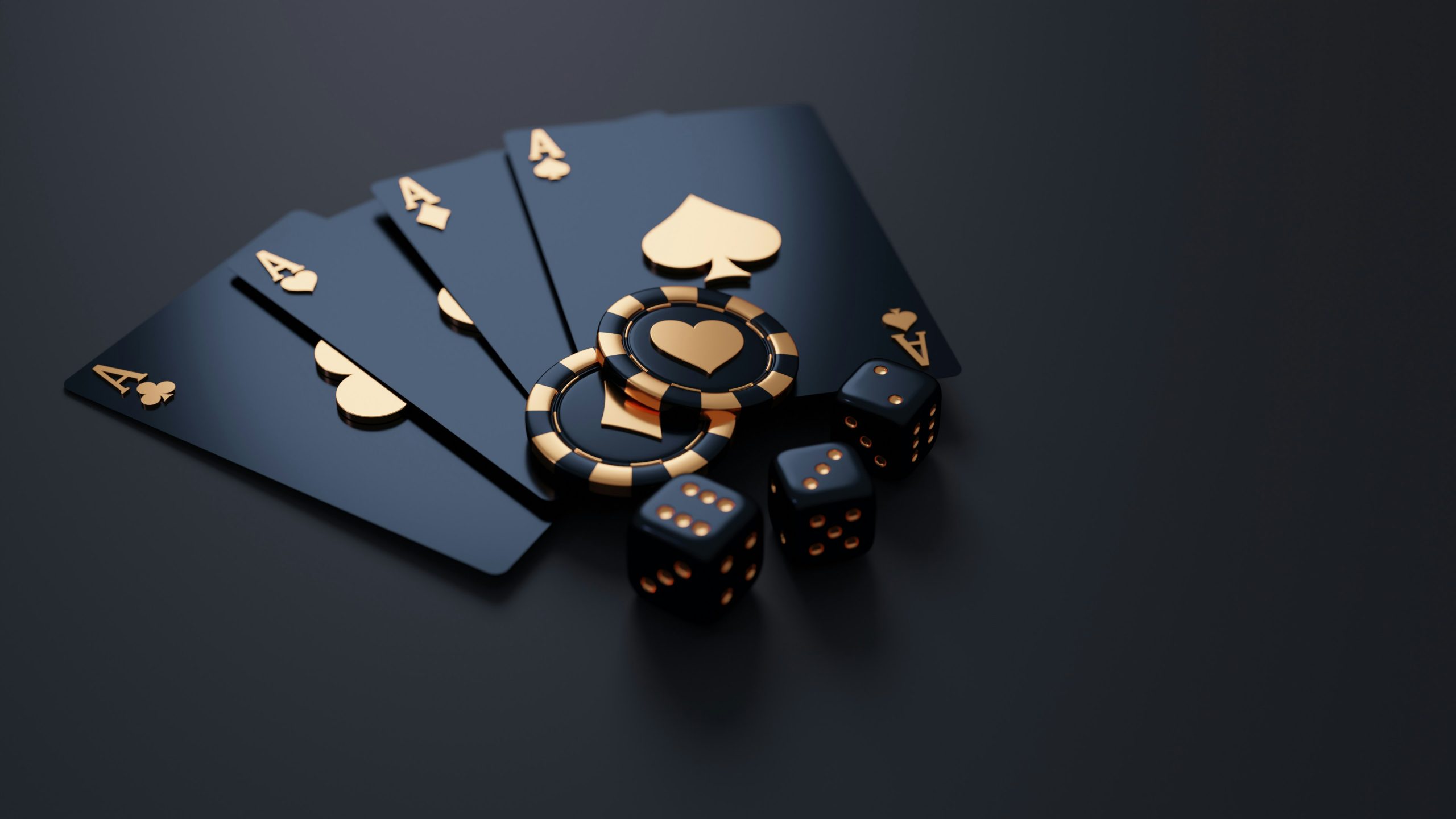
While poker runs use cards to create a social competition, the actual game of poker has increasingly moved online. A hand of Hold’em on a phone takes about a minute, the other players are names and avatars, and the table is wherever the player is; a Bracebridge player and a Barrie player can sit at one table without either leaving the house. Tournaments start on a timetable instead of a weather forecast, and cash tables run late. Online play offers convenience, but it is not the only way to experience the game away from a poker run.
Players who want to compete in the card game itself can also take part in live poker events, where opponents play against one another through a structured series of hands and betting rounds. Entry fees contribute to the competition’s prize pool and operating costs, giving these events a competitive structure that recreational poker runs do not have.
The August Yamaha event was never a poker tournament, and that was part of its appeal. It brought riders together for a day on Lake Joseph, with the cards providing a reason to visit each checkpoint and compare hands at the finish. Yamaha billed it as a rider appreciation event, and the winning hand took home $750 in store credit. While online poker keeps the competitive side of the game accessible throughout the year, Muskoka’s poker runs show that the familiar five cards can also be the basis for a very different kind of gathering.