
The Cashout Button Has Bad Timing?
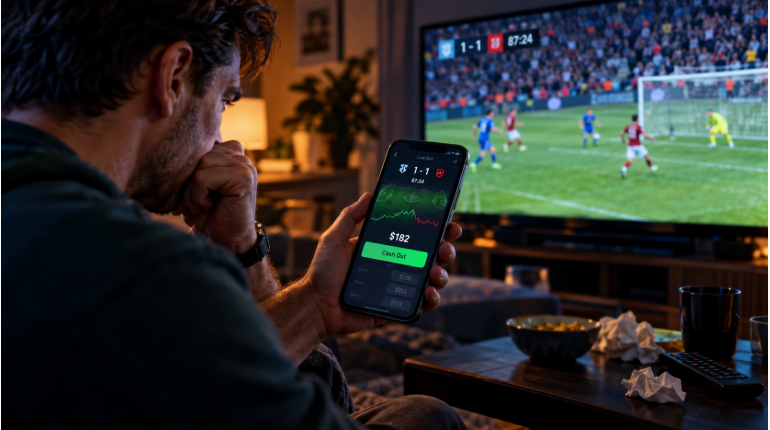
The cashout button always seems to arrive with a face. It shows up when the match is still alive, when the slip is sweating, and when the player’s heart is doing small jumps for no good reason. It does not shout. It just sits there with a number and waits.
That is what makes it so tricky. Cashout can be useful, but it can also make a calm person start arguing with themselves. Take the money now, and the team may score two minutes later. Leave it running, and the match may turn sour before the next attack ends. The button is not the problem. The problem is using it with fear instead of a plan.
The Button Arrives at the Worst Moment
A betting slip feels simple before kickoff. The picks look neat, the odds look fair, and the player feels ready to wait. Then the match starts doing match things. A favourite misses a clear chance. A defender gets booked. A team that should be calm begins to panic.
That is when cashout starts looking louder. The button may offer less than the full return, but it also offers relief. It says the player can leave now with something, instead of watching the match eat the whole slip. That can be a smart move, but it can also be a scared one.
Good cashout choices are made with a reason. Bad cashout choices are made because the body wants the stress to stop. A player who knows the difference has a better chance of keeping the session light.
Fear and Greed Both Sound Smart
Cashout decisions often sit between two noisy feelings. Fear says, “Take it now before it disappears.” Greed says, “Leave it, the full win is coming.” Both can sound clever in the moment, and both can be wrong.
The painful part is that regret works on both sides. A player who takes cashout early may watch the bet win later and feel foolish. A player who refuses cashout may watch one late goal destroy the whole slip. The match does not care which kind of regret comes next.
This is why the cashout button should not be treated like a mood test. It should be part of the first plan. Before the bet is placed, the player can decide what kind of cashout would make sense. Maybe cashing out is right if a major player gets injured, if the team looks lost, or if the offer protects most of the stake. Without that kind of thinking, the button becomes another way to panic.
A Cashout Choice Needs a Reason
A person using a betting platform like Tonybet during a live match may see the cashout offer change many times before full time. That moving number can make the choice feel urgent, but urgency is not the same as wisdom. The player still needs to ask what has changed in the match.
Maybe the team is winning but playing badly. Maybe the red card has changed the game. Maybe the odds now tell a different story from the one that existed before kickoff. Those are real reasons to think about cashout.
But cashing out only because the final minutes feel scary is different. Football, basketball, tennis, hockey, and other sports all carry late pressure. If every tense moment leads to cashout, the player may never give a well-made bet room to breathe.
Small Stakes Make the Decision Softer
Cashout feels heavier when the stake is too large. A player who risks too much may begin to watch the button more than the match. Every attack feels personal. Every corner feels like a warning. Every small drop in the offer feels like money leaving the hand.
Small stakes help keep betting closer to sustainable entertainment. They make the cashout choice easier because the result does not carry too much weight. The player can think better when the stake fits the budget.
This also supports extended entertainment value. Smaller bets can allow a person to enjoy more matches over time without treating every slip like a life event. The goal is not to feel brave. The goal is to keep the session friendly enough to leave without stress.
Good betting spaces should treat players like valued guests. Cashout should be shown in a clear way, rules should be easy to read, and account tools should help players set limits before the match begins.
The Match Does Not Owe Closure
Many players use cashout because they want a clean ending. They do not want to sit through stoppage time. They do not want to watch a final service game. They do not want to see if the underdog can hold on. They want the story closed before it hurts.
That feeling is normal, but betting rarely gives perfect endings. A slip can lose after looking safe. A bet can win after looking hopeless. A cashout can feel smart at the time and painful later. None of that means the player failed. It only means uncertainty was always part of the deal.
The better habit is to accept that no button can remove all doubt. Cashout is a tool, not a rescue plan. It can help when the match has truly changed, but it cannot promise peace after every choice. Sometimes the best move is to cash out. Sometimes the best move is to leave the bet alone. Sometimes the best move is not to place the bet in the first place.
Let the Button Be a Tool
The cashout button has bad timing because it appears when the mind is already busy. It shows up during fear, hope, and late-match noise. That is why the decision needs a plan before the pressure begins.
Before the next slip, decide when cashout would make sense and when it would only be panic. Keep the stake small, respect the limit, and let the button stay in its proper place. It should help the player manage a bet, not manage the player.