
By Jaden Hollingshead
When much‑loved or long‑standing businesses close, they take more than a sign down. Places like Oliver’s, Mind’s Alive, Footprints of Muskoka, Black Bear Barber and Metatron’s Garden(All moving or closing), helped stitch together daily routines: a coffee before work, a quick errand, a familiar face behind the counter. When those doors close, the people who built their days around them lose small but meaningful anchors in their lives.
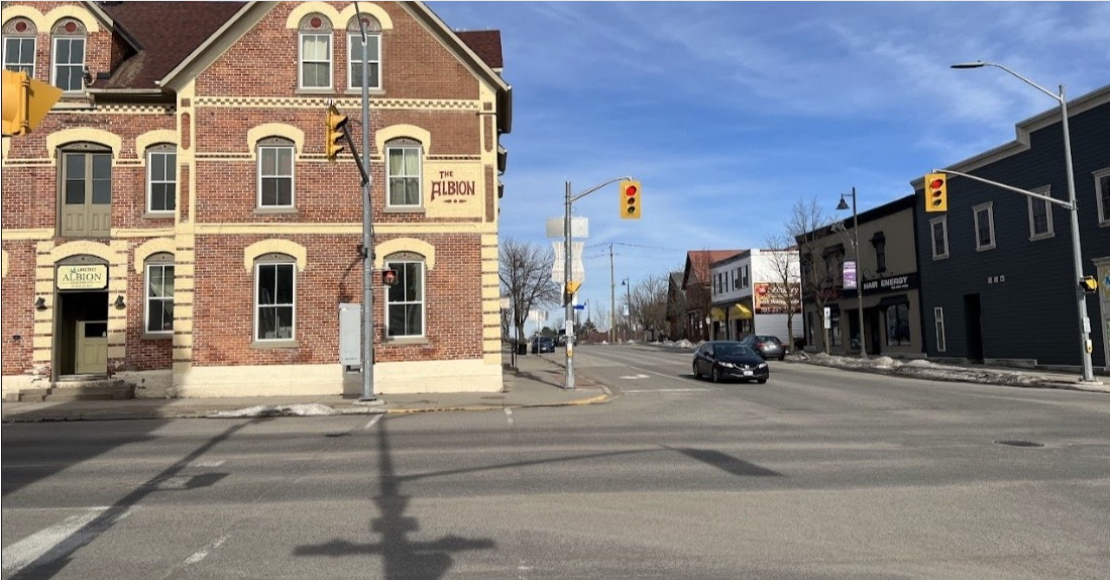
One closure might feel like bad luck, but the pattern downtown is harder to ignore. Walking along the main street, it’s not just one empty unit, it’s clusters of dark windows, dilapidated storefronts and “for lease” signs that make the whole strip feel thinner and more fragile. Fewer destinations mean fewer reasons to come downtown, which means less foot traffic for the businesses that remain, which in turn makes it harder for them to hang on.
The cost of an empty downtown
An under‑occupied downtown quietly changes how a town feels about itself. It tells young families and newcomers that maybe the real action is somewhere else, and it makes potential entrepreneurs wonder whether they’re setting themselves up to fail by taking a chance on the core. That kind of perception is hard to measure, but it seeps into every conversation about where to invest, where to live, and where to spend time.
There is also a civic cost when downtown goes quiet. A lively main street pulls people out of their homes and into shared spaces, where they bump into neighbours, hear local news, and feel rooted in something larger than their own routine. When downtown loses that energy, it becomes much easier to stay home, to shop online, and to slowly disconnect from the informal networks that hold a small town together.
Not just “the market”
It’s tempting to chalk all of this up to “the market” or changing shopping habits, but downtown vibrancy is shaped by choices. Zoning rules, event programming, building standards, and how seriously the town pushes back on long‑term vacancies all tilt the playing field one way or another. Local government cannot guarantee that every business survives, but it can decide whether downtown is treated as the town’s core or as just another commercial zone.
Commercial landlords matter in making change too. When multiple property owners are willing to leave spaces empty for long stretches, holding out for higher rents or just holding out, the combined effect is a main street that looks neglected even if the finances make sense on paper. Tools like tougher rules on vacant buildings, incentives for temporary or pop‑up uses, and active recruitment of new tenants can help break that pattern and bring life back into empty spaces, but it cannot be the only solution.
Turning concern into action
The popularity of stories about downtown decline shows that people do care. But caring has to move beyond reading and sharing articles. Residents, business owners, council, and landlords all have a role in deciding whether this is a turning point or just another chapter in a slow slide. That could mean showing up when downtown plans are on the agenda, backing concrete actions, or simply choosing to spend a little more of the weekly budget at local shops that are doing their best to stay open.
It also requires some experimentation and a willingness to try new things. The town already has a Community Improvement Plan(CIP), but even with matching grants, many small operators simply can’t afford their share of the cost for facade or signage upgrades, so the programs end up working best for those who already have capital. A Visual Enhancement Revolving Fund(VERF) would plug that gap: instead of relying only on one‑time grants, it would offer modest, low‑barrier financing that can cover more of the upfront cost for paint, lighting, signage, and window displays, then recycle repayments back into the fund so other businesses can use it next. By sitting inside the CIP framework, VERF makes existing tools more accessible on the ground, helping the smallest players actually act on the opportunities the CIP is supposed to create.
Refusing to normalize decline
The real danger isn’t just more closures, it’s getting used to them. When another storefront goes dark and the first reaction is a shrug, it becomes easier to believe that this is just what happens to small‑town downtowns now. Once that mindset sets in, every new loss feels inevitable instead of like a problem that can be solved.
Gravenhurst does not have to accept that story. The fact that downtown’s struggles were among the most‑read business stories of the year is a sign that people still care enough to pay attention. A vibrant downtown is possible, but only if those clicks, conversations, and worries translate into pressure, creativity, and follow‑through. The vacant windows are warning signs, but also an invitation to decide what kind of town Gravenhurst wants to be. When one door closes another should open.